Workshop: New Buildings in Historic Settings
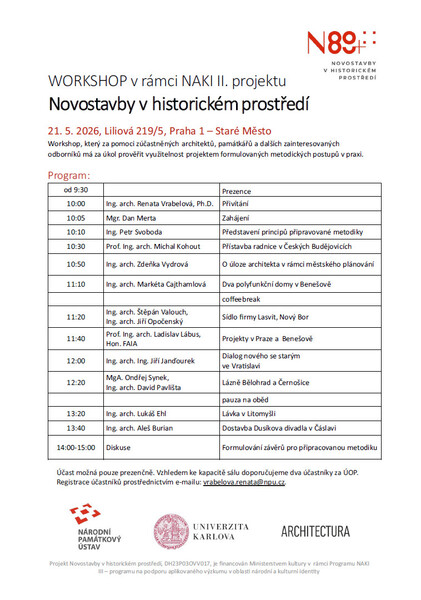
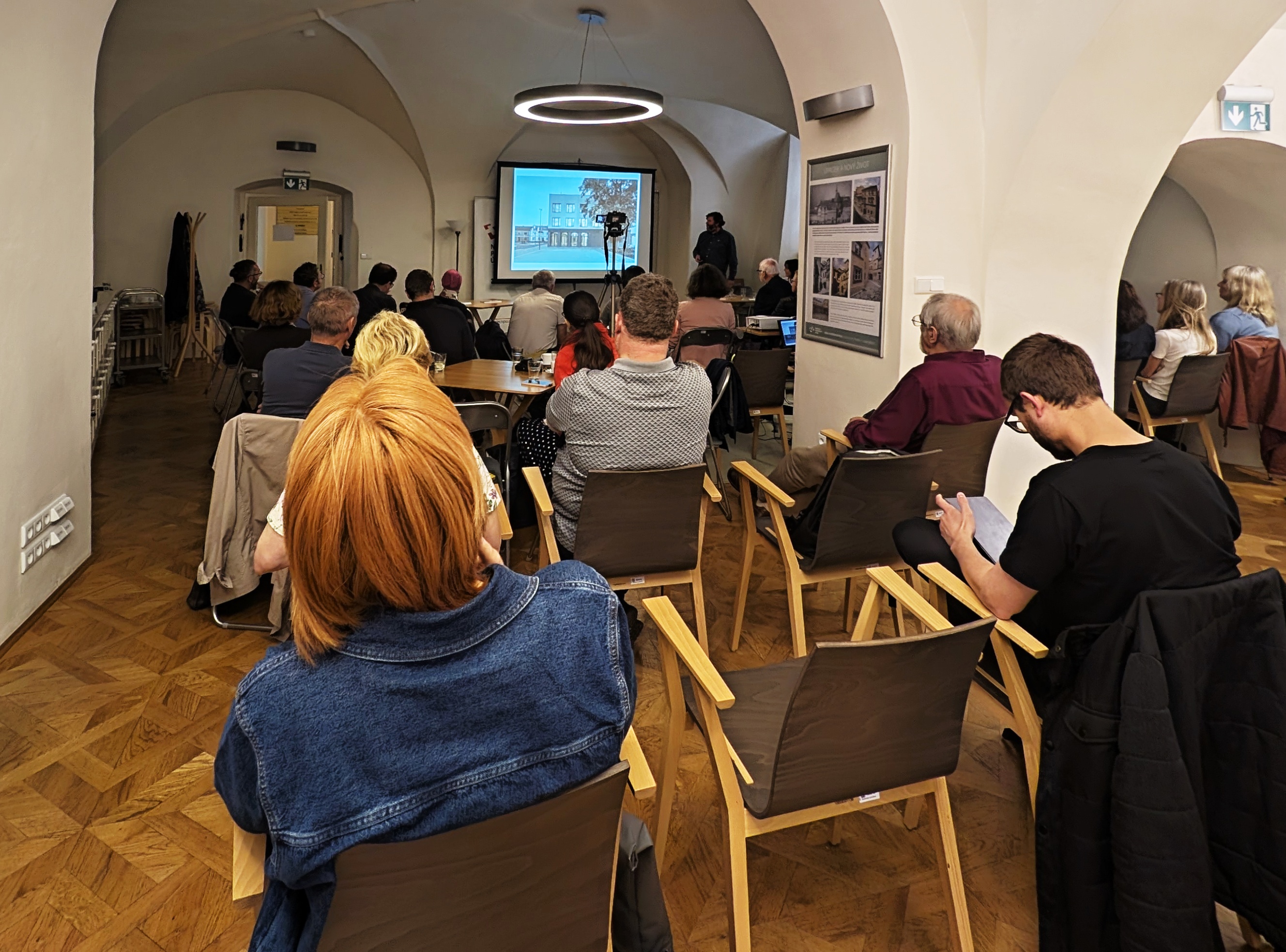
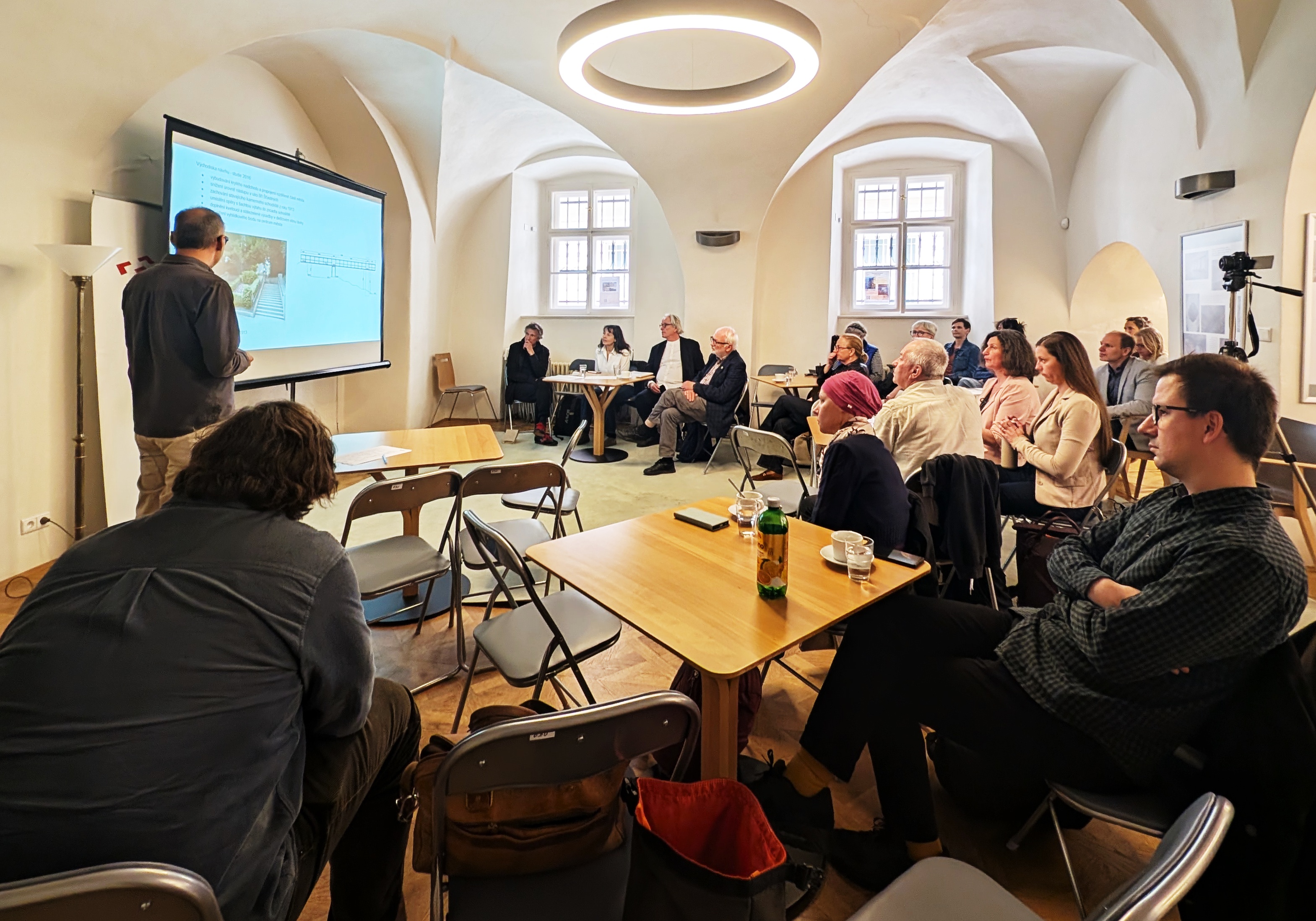
How can we build in historic city centers and other protected areas without damaging their heritage value? How can you recognize a high-quality new building? On Thursday, May 21, 2026, preservationists and architects discussed these and other issues. And they didn’t just talk in general terms; they focused primarily on specific examples from more than a dozen projects completed after 1989.
The workshop was part of the research project “New Buildings in a Historic Setting,” which is funded by the Ministry of Culture under the NAKI III program. It took place at the headquarters of the National Heritage Institute in Prague, and in addition to the project’s principal investigators, about a dozen architects attended the discussion. Each of them could boast a number of successful projects in historic settings, and some also had extensive teaching experience. The event was moderated by Dan Merta, M.A., from the Architectura association, and Professor Rostislav Švácha from the Faculty of Arts at Charles University provided the concluding summary.
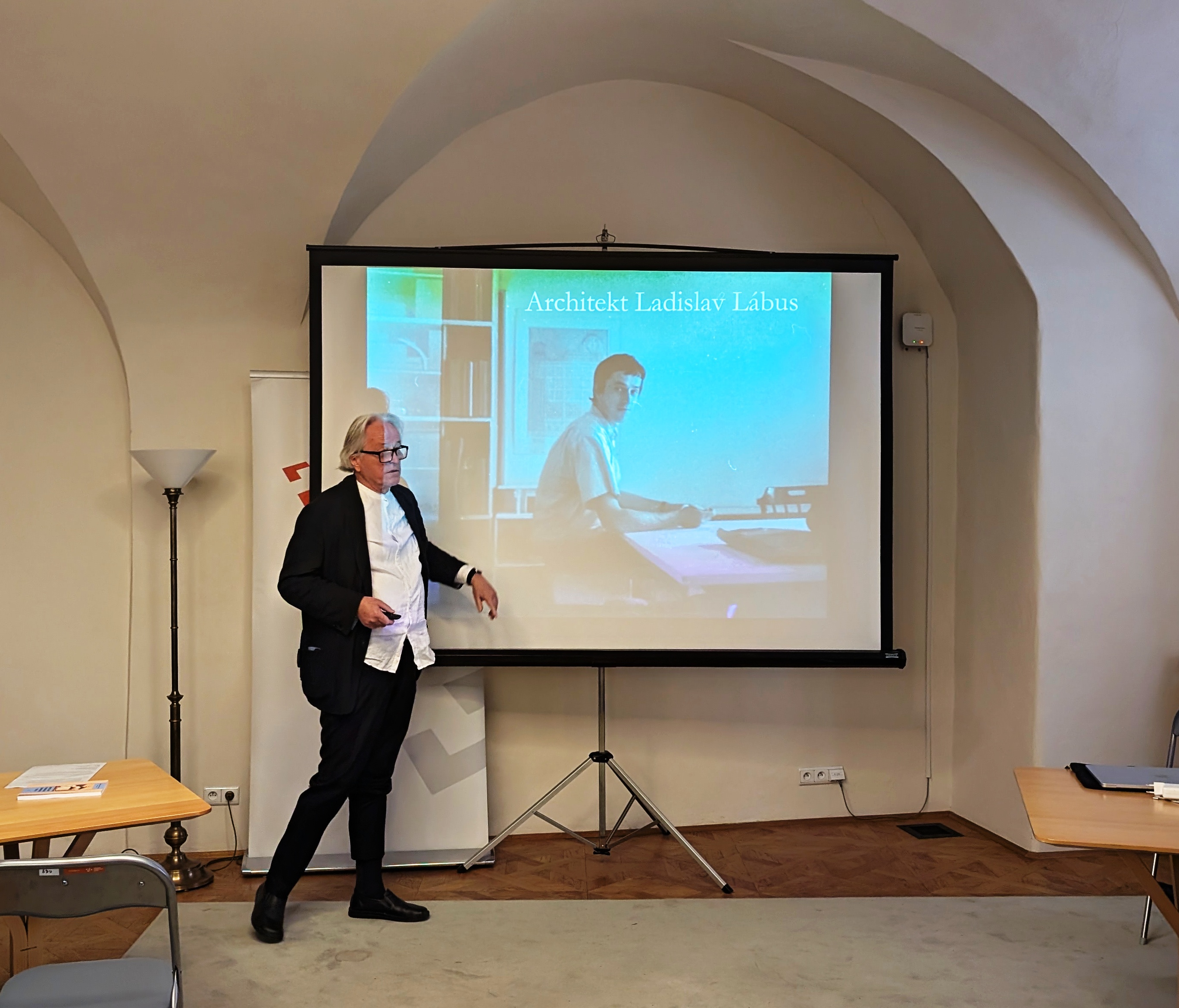
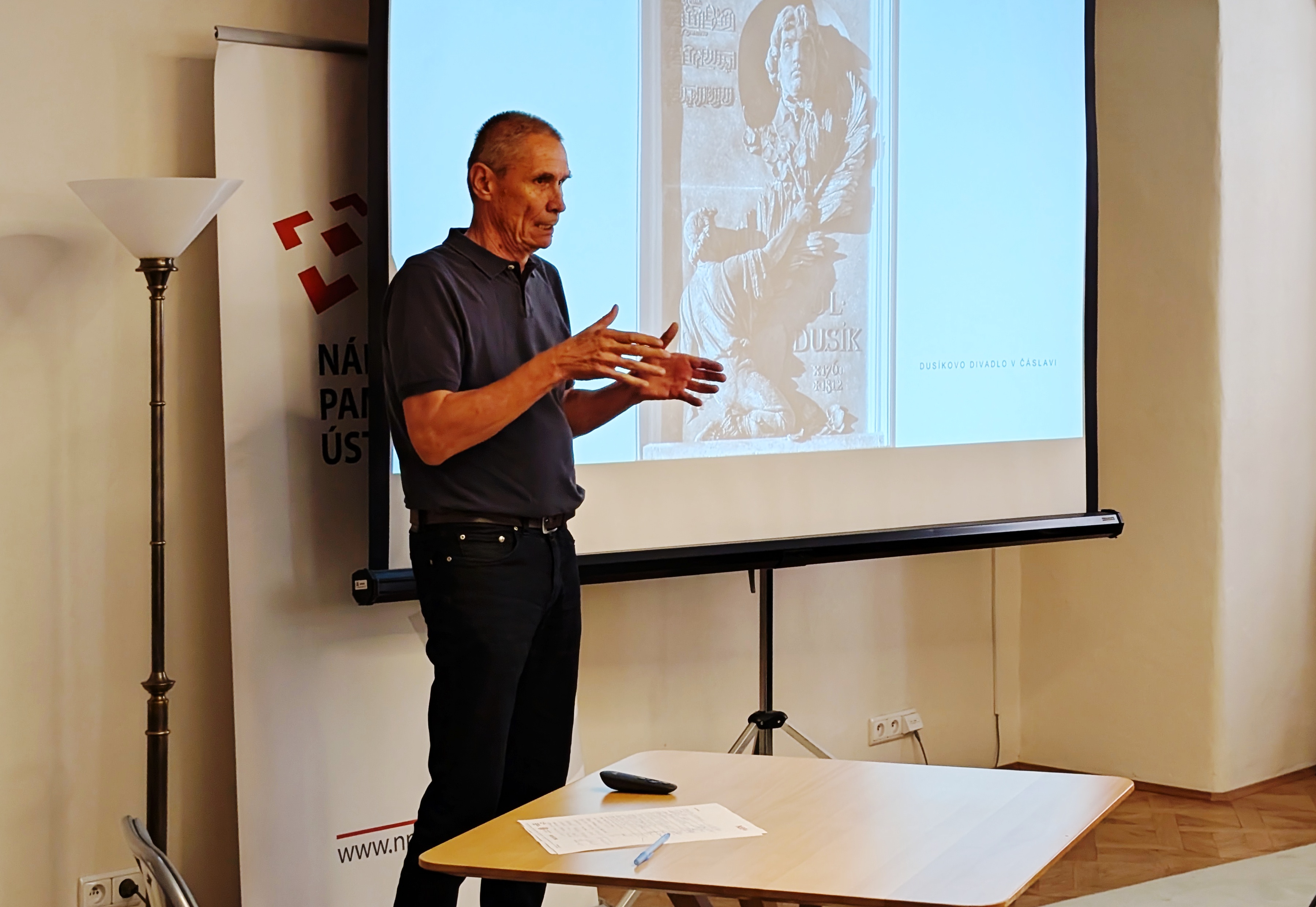
Among the projects presented and discussed were the town hall extension in České Budějovice (Prof. Michal Kohout), extensions, renovations, and new constructions in Litomyšl (Zdeňka Vydrová, M.Arch.), a mixed-use building in Benešov (Ing. arch. Markéta Cajthamlová), the Lasvit corporate headquarters in Nový Bor (Ing. arch. Štěpán Valouch), the completion of the Langhans Palace in Prague and the Karlov Hotel in Benešov (Prof. Ladislav Lábus), the town hall in Bělohrad-Lázně (Ing. arch. Jiří Žid), the footbridge in Litomyšl (Ing. arch. Lukáš Ehl), and the completion of the Dusík Theater in Čáslav (Ing. arch. Aleš Burian).
The workshop concluded with the realization that the best projects arise from a dialogue among all stakeholders. While there is apparently no single, precise method for integrating a new building into a historic setting, it is possible to share, explain, and discuss examples of best practices.